



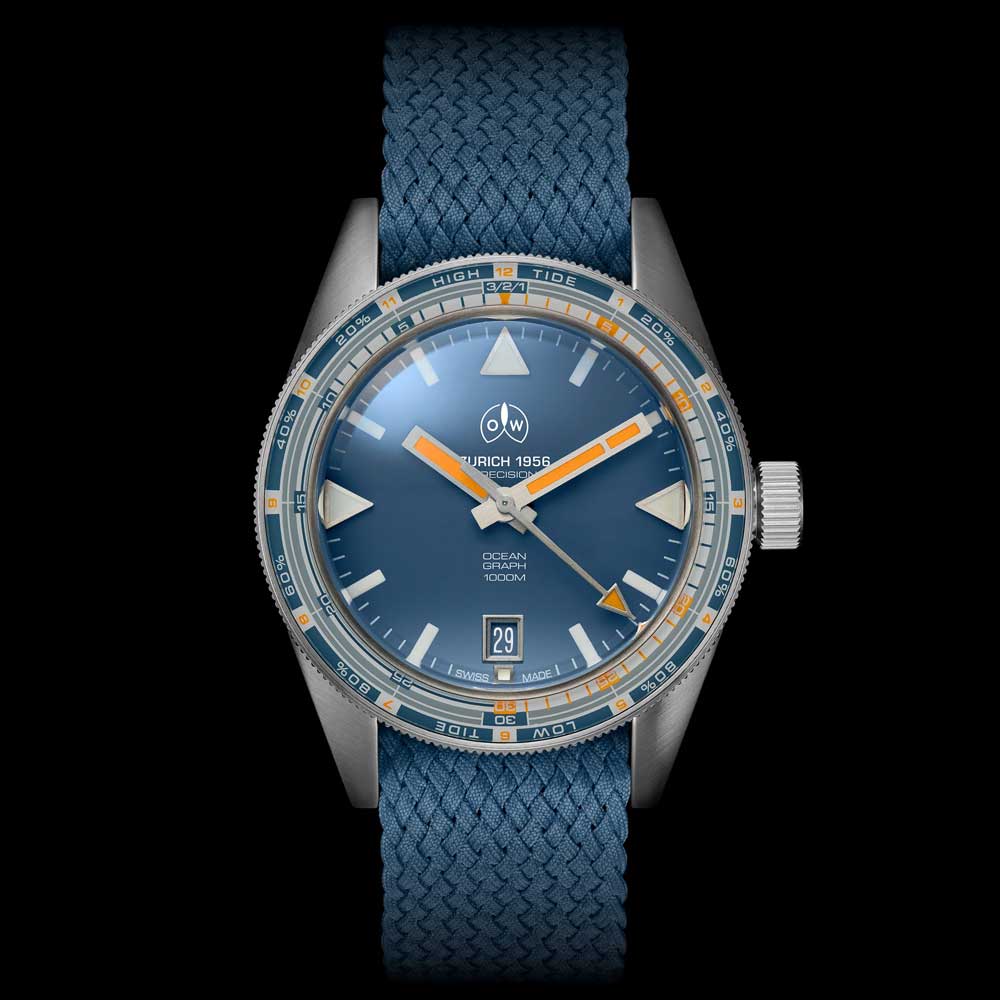

Microbrand watches are no longer a niche topic. Especially in Germany, more and more watch enthusiasts are interested in smaller brands that, away from the big corporations, bring their own ideas, independent designs, and often a much more personal touch.
But anyone looking for microbrand watches in Germany quickly realizes: The topic is not entirely straightforward. Which brands are even relevant? Which microbrands can be discovered in this country? Which shops, blogs, and classifications really help? And how do you recognize whether a small brand is just good marketing or actually has substance?
That's exactly what this article is about. I'll show why microbrand watches in Germany are becoming increasingly exciting, what I look for in small brands, and why the German market for microbrands is more interesting today than many think.

Why microbrand watches are becoming increasingly relevant in Germany
The German watch market was long dominated by well-known names: big Swiss brands, established German manufacturers, classic concessionaires, and the usual well-known lines. This has been noticeably changing for several years. More and more watch enthusiasts today are not just looking for a well-known brand, but something with character, attitude, and recognition.
This is where microbrand watches come in. Small brands can often think faster, design more boldly, and work more closely with their community. They don't have to appeal to millions of target groups simultaneously. This results in models that often appear edgier, more honest, and more distinctive than many large series products.
Especially in Germany, this appeals to an audience that is intensely engaged with watches. Many buyers read reviews, compare details, pay attention to craftsmanship, movement, wearability, and design. For precisely this target group, good microbrand watches are often particularly exciting.
What is actually meant by microbrand watches in Germany
When we talk about microbrand watches in Germany, this can mean several things. On the one hand, it refers to small international brands that are visible or available on the German market. On the other hand, it refers to German shops, editorial offices, and platforms that classify, showcase, or even carry such brands.
Not every small brand is automatically a good microbrand. And not every dealer who offers such watches truly understands the topic. That's why classification is important here. Microbrand watches thrive not only on small quantities but, above all, on a clear idea, a comprehensible design approach, and a certain independence of thought.
From my perspective, a good microbrand begins when you realize: This watch was not built simply to copy a trend, but to show a truly unique signature.

What German watch enthusiasts appreciate about microbrand watches
Many buyers in Germany today are not just looking for prestige, but personality. That's precisely why microbrand watches often fit well into this market. They frequently offer what is lost in larger brands: proximity to the idea, clear design, small editions, often better proportions, and sometimes even more courage.
In addition: Anyone who delves deeper into watches will sooner or later automatically discover smaller brands. It then becomes clear that exciting watches don't just come from the usual big names. Many of the most interesting tool watches, divers, GMTs, or chronographs are now being created by smaller, focused brands.
This is what makes microbrand watches in Germany so interesting for many. They are not simply the "small alternative," but often the more conscious choice.
What role do shops and classification play in Germany?
An important point is the question of how microbrand watches even become visible in Germany. Large brands have extensive dealer networks, advertising budgets, and decades of recognition. Microbrands usually do not. Therefore, a lot depends on who showcases them, explains them, and credibly classifies them.
This is precisely where the combination of editorial work, photography, shop, and experience plays a major role. Because small brands don't need interchangeable manufacturer texts, but context. What can the watch really do? Who is it interesting for? What makes it strong? Where is it just loud, and where is it really good?
For the German market, this is crucial. Listing microbrand watches superficially is of little help. But those who classify them photographically, contextually, and practically create trust – and that is particularly important for small brands.

Why Germany is an exciting market for microbrands
Germany, in my opinion, is a particularly interesting market for microbrands because many buyers here look more closely. It's not just about quick effects, but often also about technical plausibility, wearing comfort, price-performance ratio, origin, and suitability for everyday use.
This is an opportunity for good small brands. Because if a watch is honestly built, has a clear design, and truly convinces in everyday life, it is often taken very seriously here. At the same time, Germany is not an easy market: anyone who only tells a nice story but delivers no substance will not last in the long run.
That's precisely why I find the topic of microbrand watches in Germany so exciting. Here, it often becomes clear faster than elsewhere what only seems new – and what truly endures.
What I particularly look for in microbrand watches
When I evaluate small brands, I don't look at the hype first. More important to me are proportions, wearability, case quality, dial impact, strap integration, luminescence, crown operation, and the question of whether a watch still has substance after weeks.
With microbrands, it's also crucial whether the design truly stems from an idea or merely imitates well-known successful models. Good small brands usually have a recognizable attitude. They don't have to reinvent everything, but they should tell their own story.
This is particularly important in the German market. Because here, things are often looked at more closely, compared, and questioned. This is not a disadvantage; on the contrary, it is the best prerequisite for good microbrand watches to be taken seriously.

Microbrand watches in Germany are more than just a trend
In my opinion, the topic has long grown beyond a small scene for insiders. Today, microbrand watches stand for a different way of thinking about watches: closer to the idea, closer to the product, and often closer to the buyer. This fits very well with a market where many people don't just want any watch, but one that seems comprehensible.
That's why I believe that microbrand watches in Germany will continue to gain importance. Not as a replacement for big brands, but as a conscious alternative for people who are looking for more than just a famous name.
My conclusion on microbrand watches in Germany
Anyone seriously interested in watches in Germany can hardly avoid good microbrands anymore. Small brands often bring precisely the freshness, independence, and clarity that has been lost in many large series models. At the same time, this topic requires classification, experience, and credibility – otherwise, only a pretty picture without depth remains.
That's precisely why it's worth taking microbrand watches in Germany seriously not just as a trend, but as a real watch category. For many watch enthusiasts, this is where the truly exciting part of the watch world begins.
Frequently asked questions about microbrand watches in Germany
What are microbrand watches?
Microbrand watches are watches from small, independent, or very focused brands. They are usually produced in smaller quantities and often have a much more distinctive character than large serial brands.
Why are microbrand watches interesting in Germany?
Because many German watch enthusiasts look very closely and don't just pay attention to well-known names. Good microbrands often offer character, better proportions, exciting ideas, and a credible alternative to the mainstream.
Are good microbrand watches available for purchase in Germany?
Yes. Many international microbrands are also visible or available in Germany. However, it's crucial whether they are properly categorized, showcased, and explained – not just listed.
Are microbrand watches automatically better than big brands?
No. Small brands are not automatically better. But they can often work more courageously, personally, and independently. Good microbrands convince through their idea, execution, and character – not solely through their size.
For whom are microbrand watches particularly exciting?
Especially for people who consciously seek, value individuality, and do not see watches merely as a status symbol. Those who seek character instead of interchangeability often end up with good microbrands sooner or later.
Still have questions about microbrand watches in Germany?
If you want to know more about microbrand watches in Germany or are unsure which brands and styles really suit you, feel free to write to me directly at info@watchdavid.shop, use the contact form on the homepage or the chat at the bottom right. I'd be happy to help you better categorize microbrand watches and find exciting models with real character.
About me
My name is David Drilling, founder of WATCHDAVID. Since 2018, I have been intensely involved with watches of various brands, price ranges, and styles. Microbrand watches, in particular, have played a special role for years, as they often produce precisely the models that, off the beaten track, still demonstrate true individuality. I photograph, test, and classify watches not just by their data sheet, but by wearability, quality, impact, and character. This guide is also based on this experience.
Do you want to delve deeper into the microbrand world?
Then also check out the other articles in the Microbrand Watch Guide. Particularly relevant are What are Microbrand Watches? and later The Best Microbrand Watches. If you are also interested in characterful divers, you will find further background and classifications in the Diver's Watch Guide.
Share: